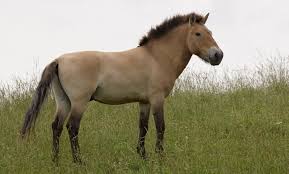
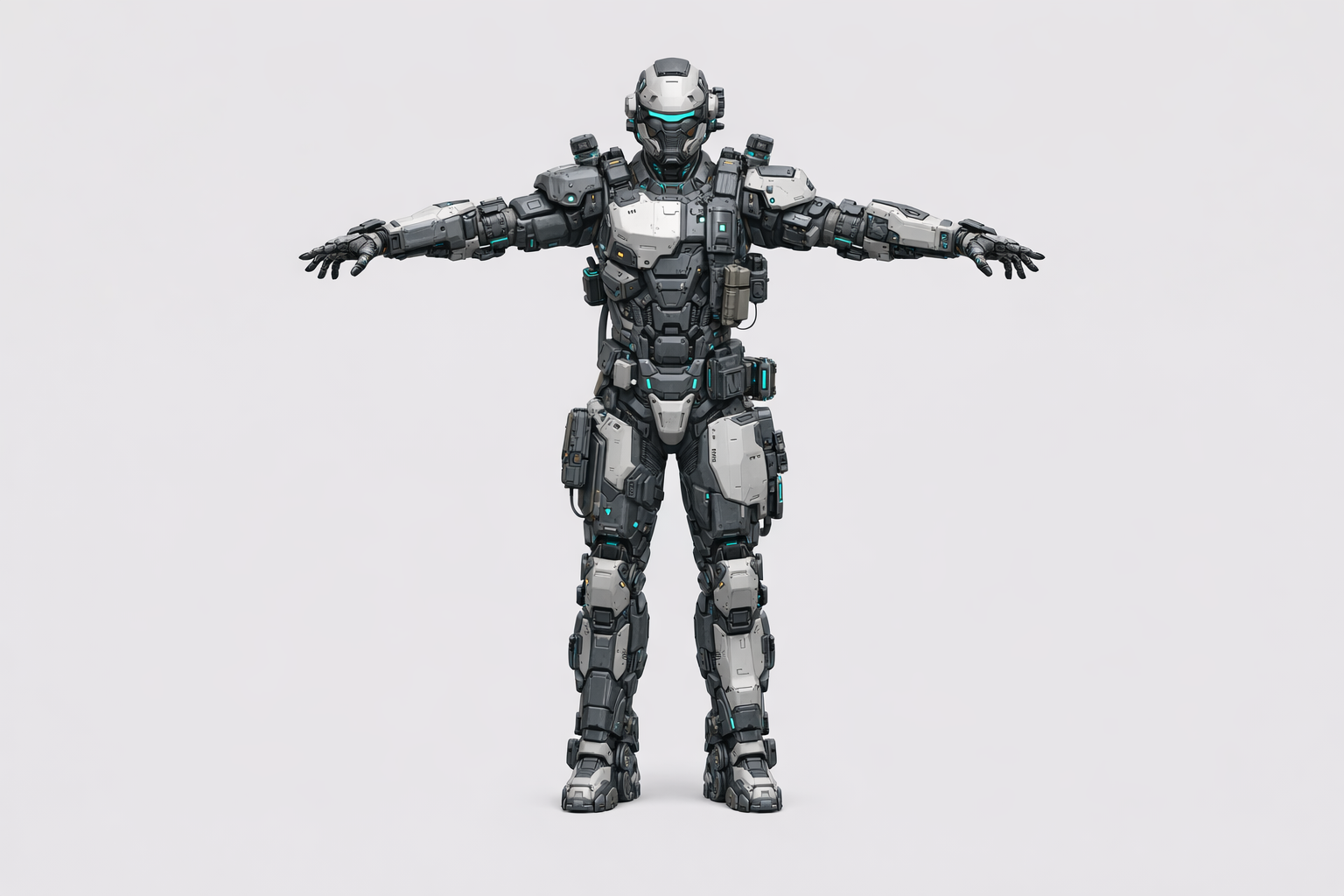
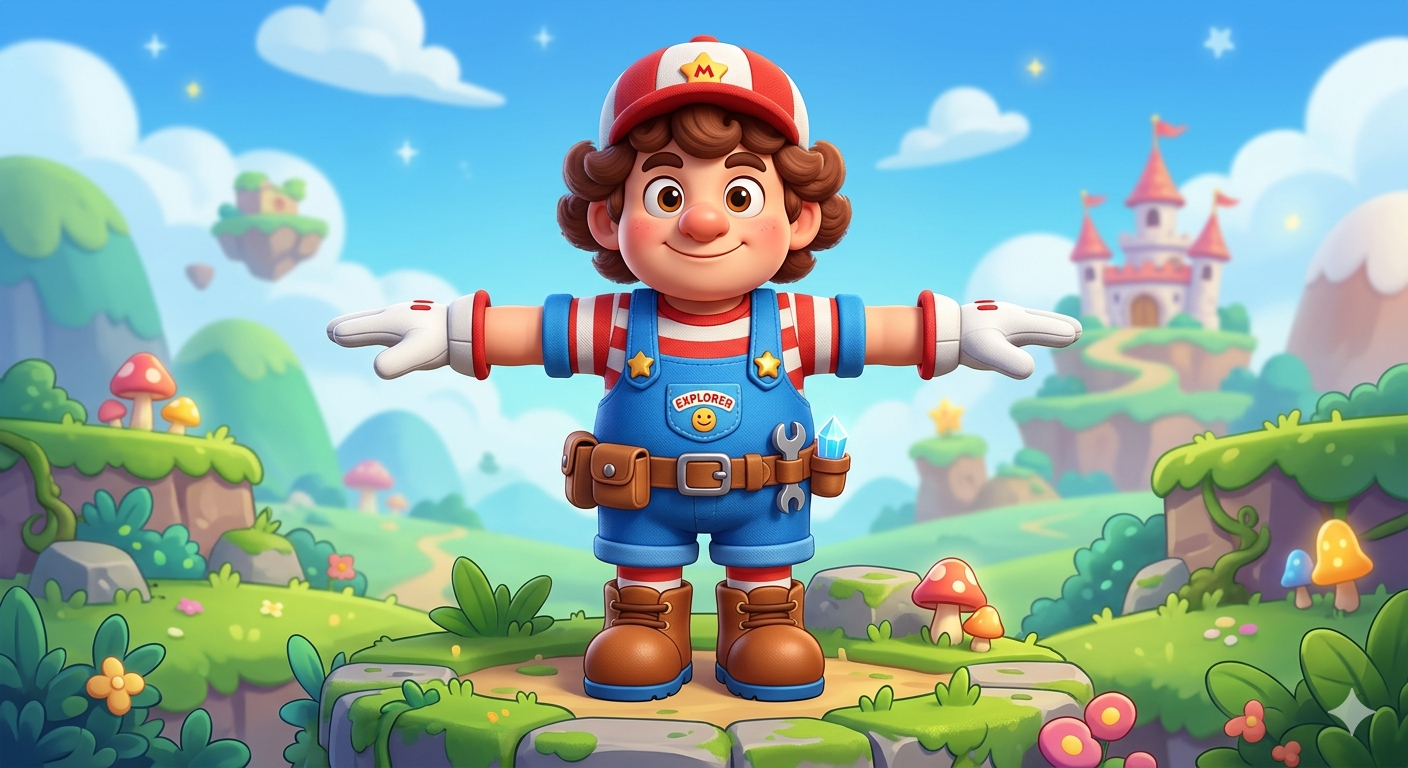
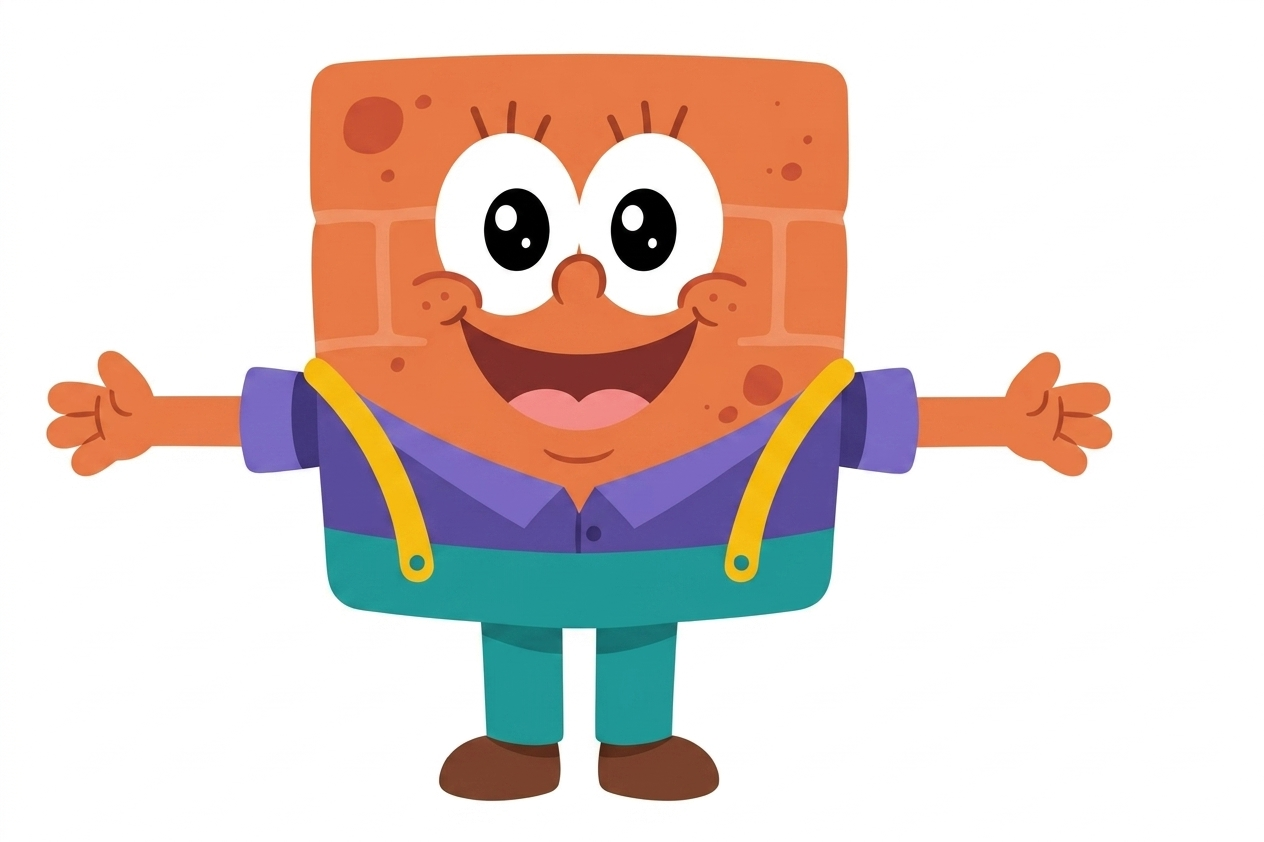
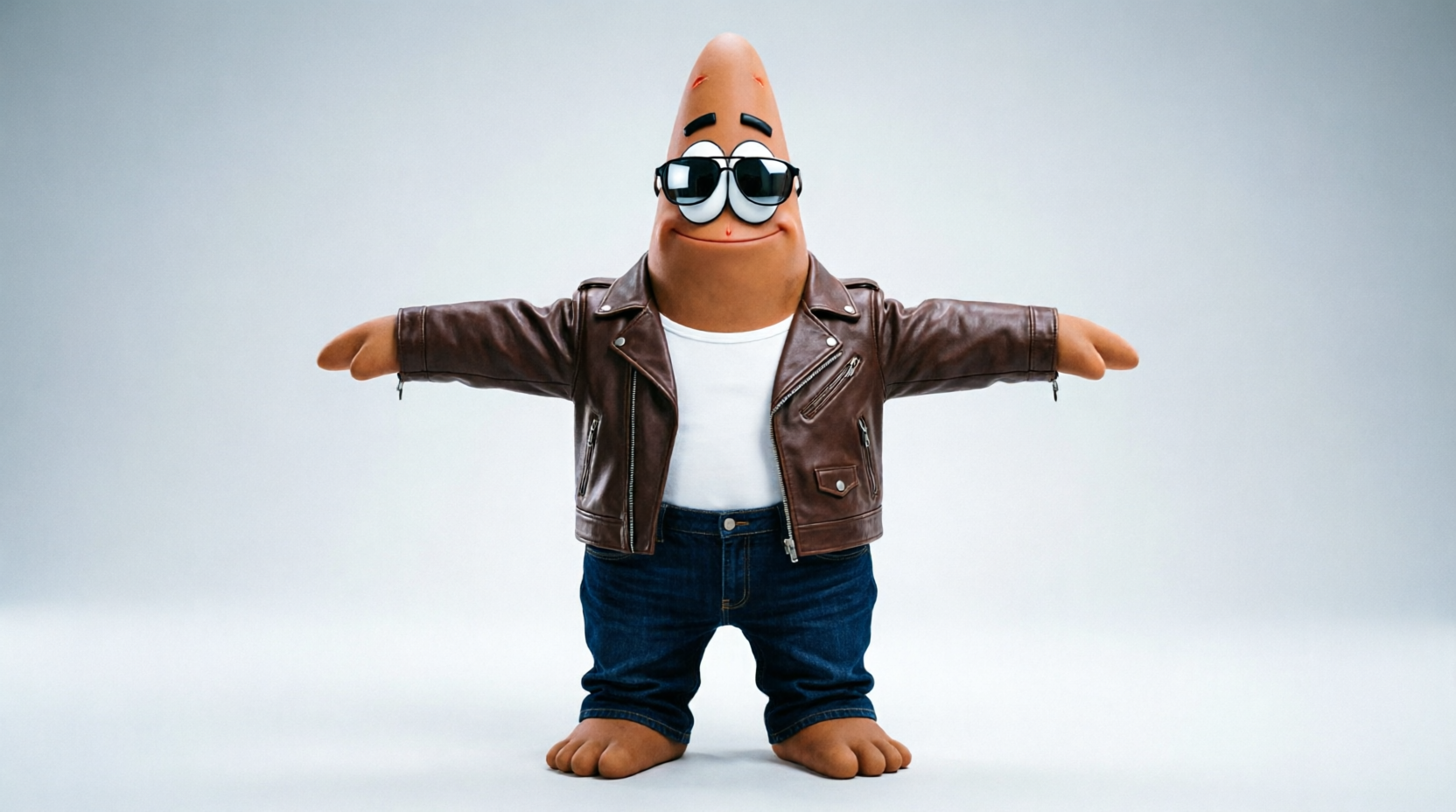
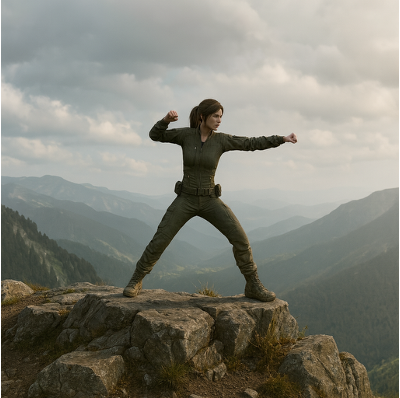
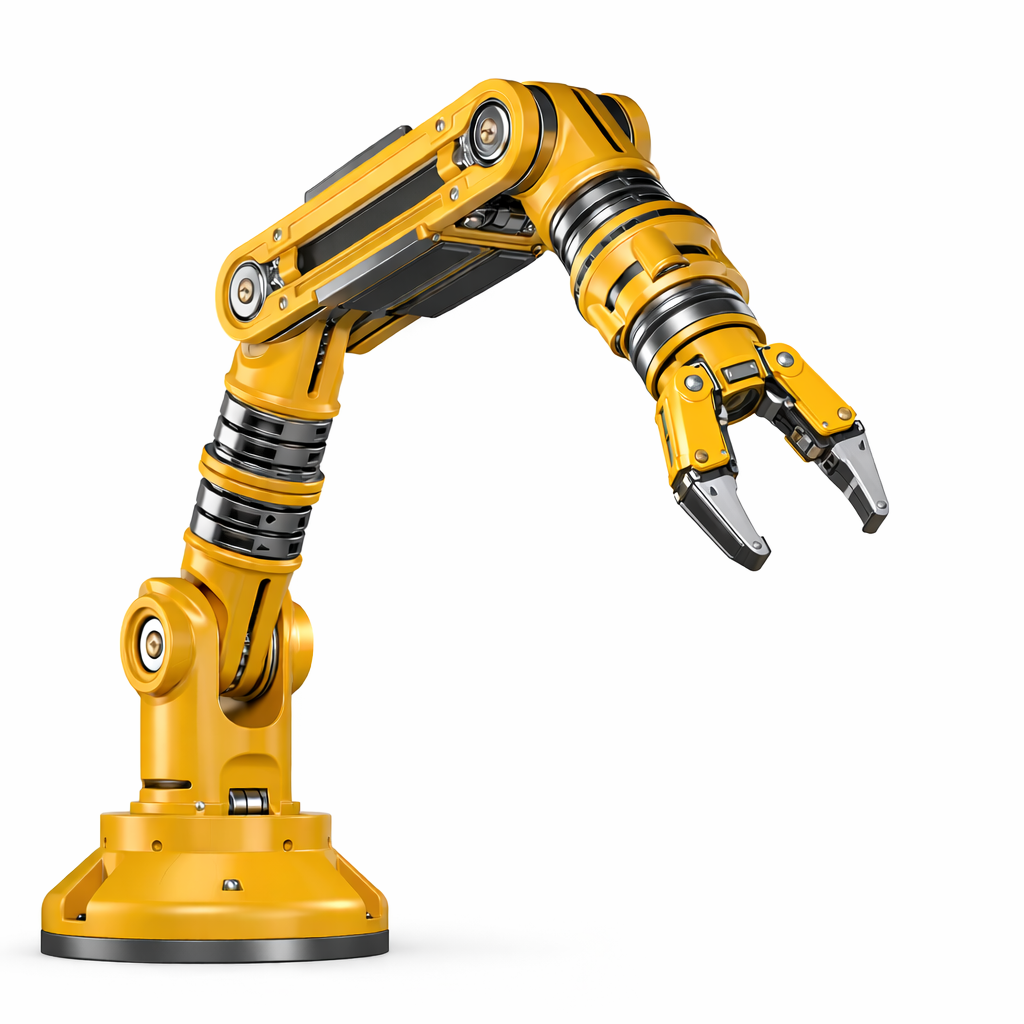
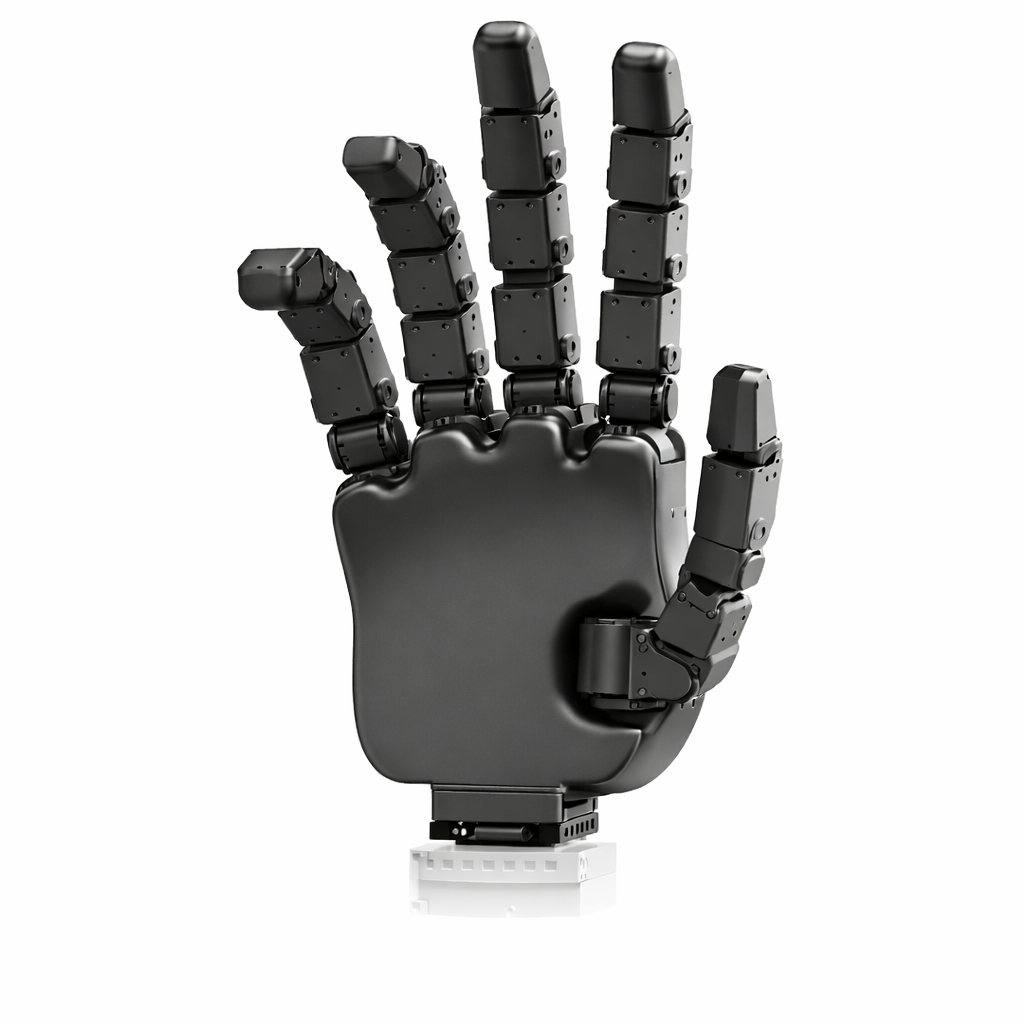
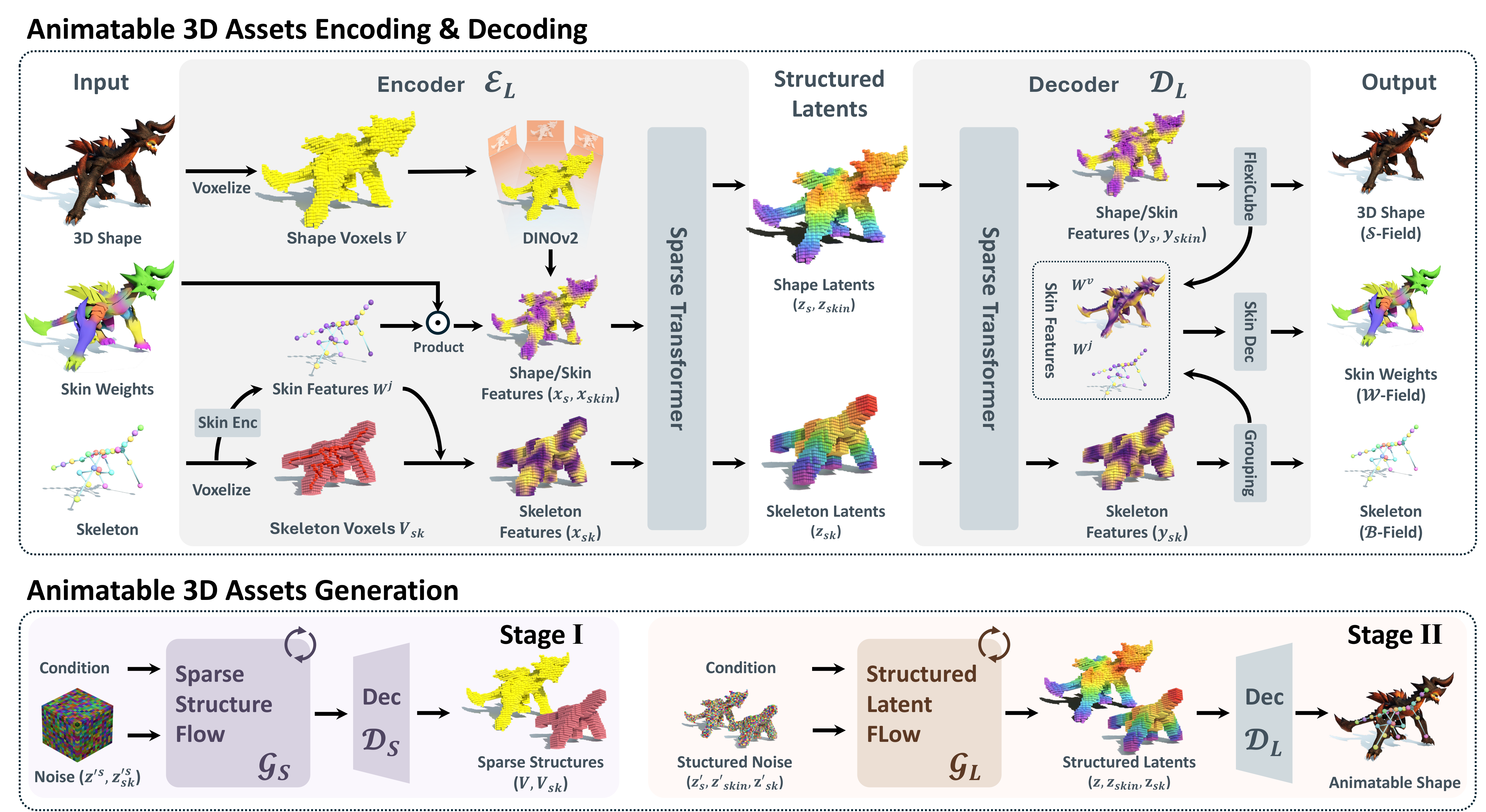
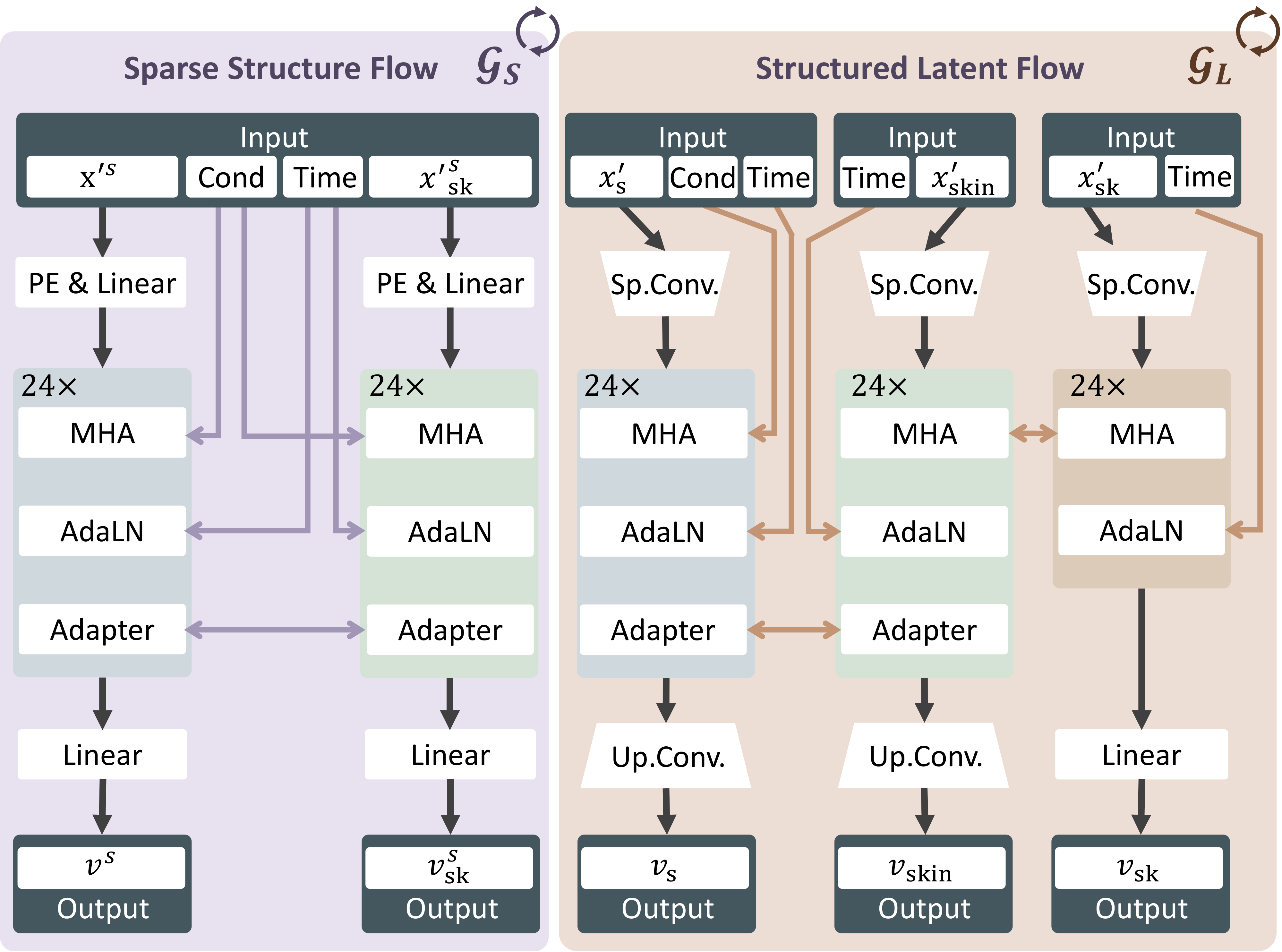
Animatable 3D assets, defined as geometry equipped with an articulated skeleton and skinning weights, are fundamental to interactive graphics, embodied agents, and animation production. While recent 3D generative models can synthesize visually plausible shapes from images, the results are typically static. Obtaining usable rigs via post-hoc auto-rigging is brittle and often produces skeletons that are topologically inconsistent with the generated geometry. We present AniGen, a unified framework that directly generates animate-ready 3D assets conditioned on a single image. Our key insight is to represent shape, skeleton, and skinning as mutually consistent S3 Fields (Shape, Skeleton, Skin) defined over a shared spatial domain. To enable the robust learning of these fields, we introduce two technical innovations: (i) a confidence-decaying skeleton field that explicitly handles the geometric ambiguity of bone prediction at Voronoi boundaries, and (ii) a dual skin feature field that decouples skinning weights from specific joint counts, allowing a fixed-architecture network to predict rigs of arbitrary complexity. Built upon a two-stage flow-matching pipeline, AniGen first synthesizes a sparse structural scaffold and then generates dense geometry and articulation in a structured latent space. Extensive experiments demonstrate that AniGen substantially outperforms state-of-the-art sequential baselines in rig validity and animation quality, generalizing effectively to in-the-wild images across diverse categories including animals, humanoids, and machinery.